
START WITH THIS SITUATION
The answer at a glance
Haru had studied for months. She knew the grammar and the words. One night she said to me, 「文法も単語も知ってるのに、
知っている
to know
You can recognize it when you read or hear it.
使える
to be able to use
It comes out of your mouth when you need it, in about half a second.
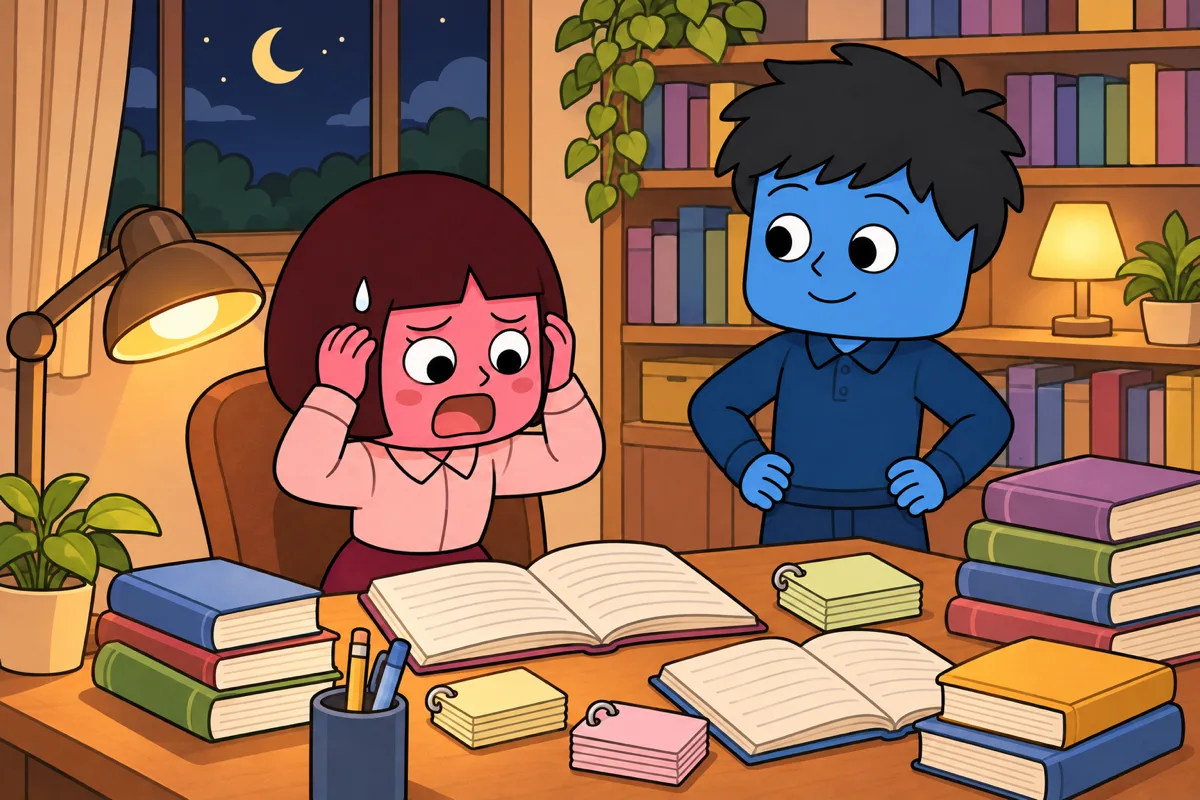
Knowing and speaking are two different skills. Study builds the first one. Only speaking practice builds the second. Practice in this order: write what you want to say, get it checked, then say it out loud on your own many times.
Knowing is not using.
I like to explain this with clothes. The grammar and words you learn are the clothes. Speaking is the skill of putting an outfit together.
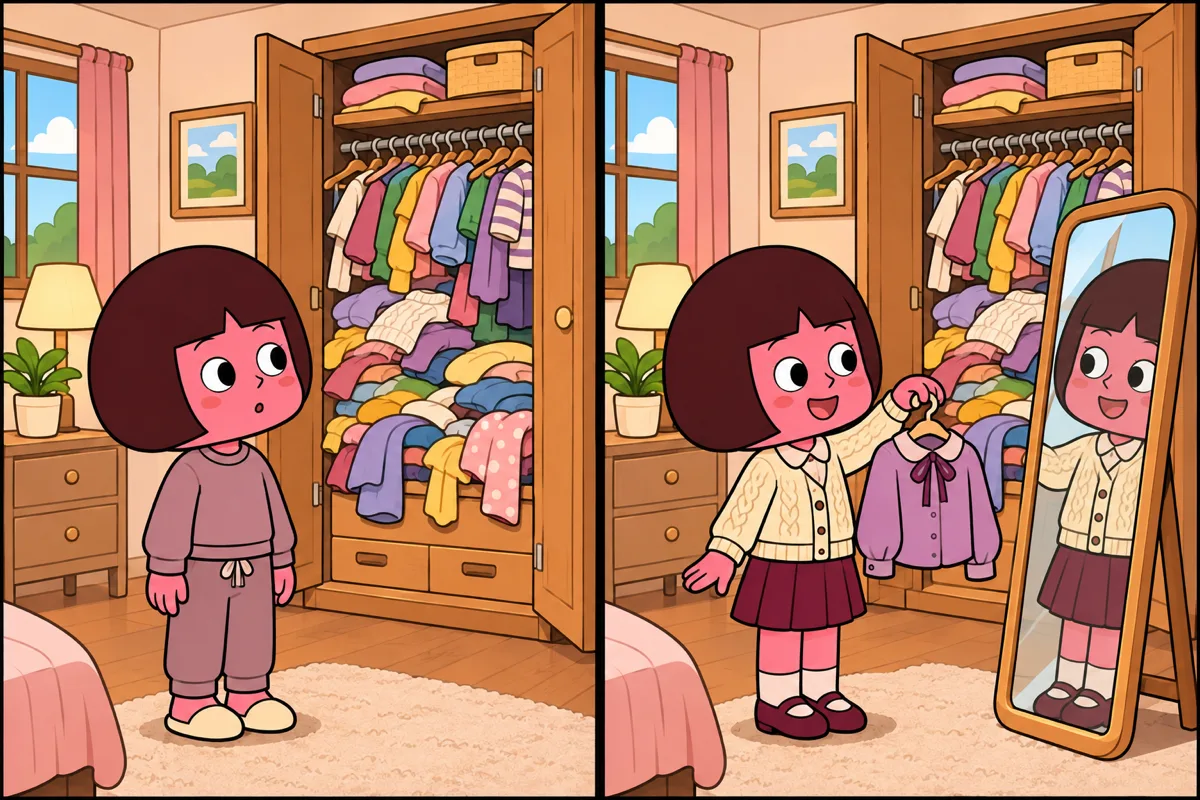
Buying more clothes does not make you stylish. You get good at outfits by putting them on, seeing what works and trying again. After enough practice, you can put a good outfit together in a few seconds without thinking.
Speaking works the same way. Every new grammar point and word goes into the closet. If you never take them out and use them, the closet just gets fuller.

There is a second trap. Some learners skip practice and just talk, putting words together however they come. It is like wearing expensive clothes that don’t go together. You can get by, but the same mistakes repeat and become habits.
A quick test.
Say this in Japanese. Take your time.
“I meant to text you back, but I got busy and forgot.”
Show the answer
返信しようと思ってたんだけど、忙しくて忘れちゃった。
Casual, to a friend. 〜ようと思ってた is “I meant to,” and 〜ちゃった adds “oops.”
返信しようと思っていたんですが、忙しくて忘れてしまいました。
Polite, to a coworker or someone you don’t know well.
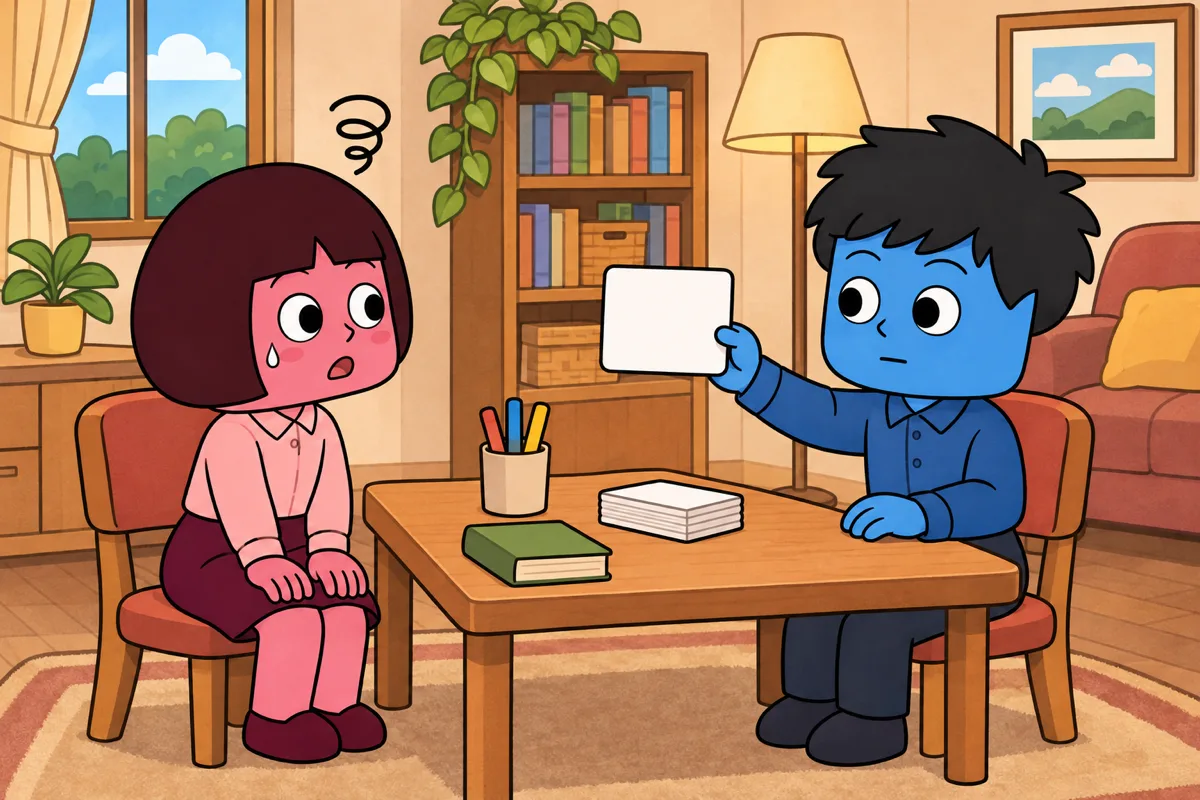
Here is the point. If you can’t write a sentence slowly, with time to think, you can’t say it in the half second a conversation gives you. Speaking is not where you build sentences. It is where you use sentences you have already built.
Practice in this order.
Write first, then get feedback, then speak. Each step makes the next one possible.
1. Write it.
Write the things you are likely to say. You may think every conversation is different, but most of daily conversation keeps coming back to the same topics: your work, your hobbies, what happened recently and your plans.
2. Get it checked.
Have a teacher or a native speaker correct what you wrote. If you skip this step, you will practice your mistakes until they feel natural.

3. Say it out loud, alone, many times.
Read your corrected sentences out loud until you can say them without looking. Then change one word and say it again. This is the step that turns knowing into using.
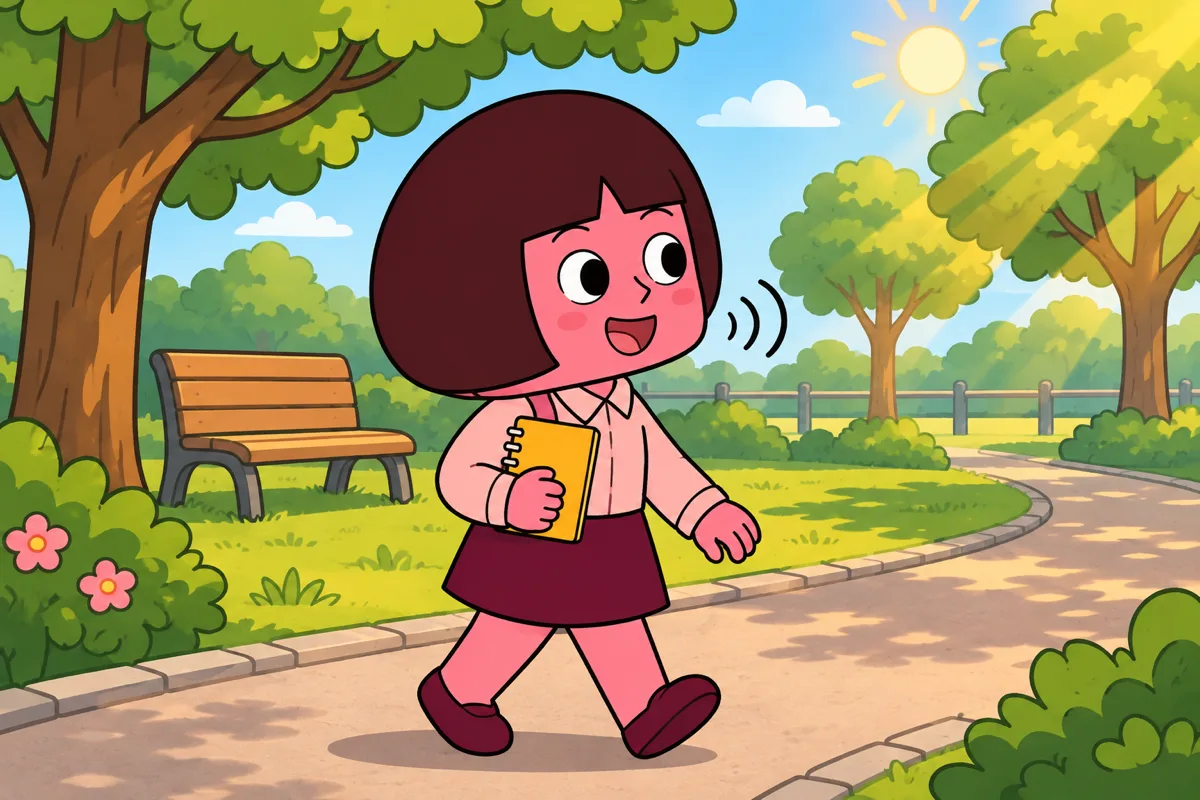
The good news is that you don’t need many patterns. My rule of thumb from coaching: most of what people say in everyday conversation uses N5 and N4 grammar. Learn a pattern in its correct form once, and you can make many sentences by swapping one word.
最近、ヨガを始めました。
I recently started yoga.
Blue is the pattern you keep. Green is the word you swap.
最近、ギターを始めました。
I recently started the guitar.
Same pattern, one new word. Now you have two sentences.
“But I passed N4 and I still can’t speak.”
Haru once said this to me. When I asked about her score, she said she got about 60%.
That means about 40% of the material is not solid yet. When people say N5 and N4 are enough for daily conversation, they mean all of it, and all of it usable in speech, not just recognizable on a test.
Taking N3 is up to you. It shows your level, and some jobs ask for it. But if your goal is to speak, time spent making N5 and N4 automatic will pay off more than rushing to the next level.
Try it yourself.
Say each sentence in Japanese first. Then open the model answer and check.
1. Your work: “I work as an engineer.”
Show a model answer 1
エンジニアとして働いています。 Swap in your own job.
2. Your hobbies: “On weekends, I often watch movies.”
Show a model answer 2
週末はよく映画を見ます。 Try it with your own hobby.
3. Your plans: “Tomorrow, I’m going shopping with a friend.”
Show a model answer 3
明日は友達と買い物に行く予定です。 Swap in where you are going and who with.

Say it out loud.
Pick one topic today: your work, a hobby, something that happened this week or your plans. Write three sentences about it. Get them checked if you can. Then say them out loud until they come out without looking.
Tomorrow, swap one word in each sentence and say them again. That small loop, repeated, is how the clothes in the closet turn into outfits you can actually wear.
Ready to use more of your Japanese?
Join our Free Masterclass to explore how to build a clear speaking practice routine, with guidance from Hokuto and Haru.
Join the Free MasterclassTHE PEOPLE BEHIND THIS LESSON
Meet Hokuto & Haru

Hokuto
Hokuto has taught 10,000+ hours of one-on-one Japanese lessons. A former paramedic, he began teaching Japanese as a volunteer and founded STRIVE in 2025. His coaching focuses on helping learners use Japanese with confidence in real conversations.

Haru
Haru helps learners develop natural, respectful Japanese for everyday conversations. Working alongside Hokuto, she supports learners with regular feedback and guidance as they put their Japanese into practice.