
START WITH THIS SITUATION
The difference at a glance
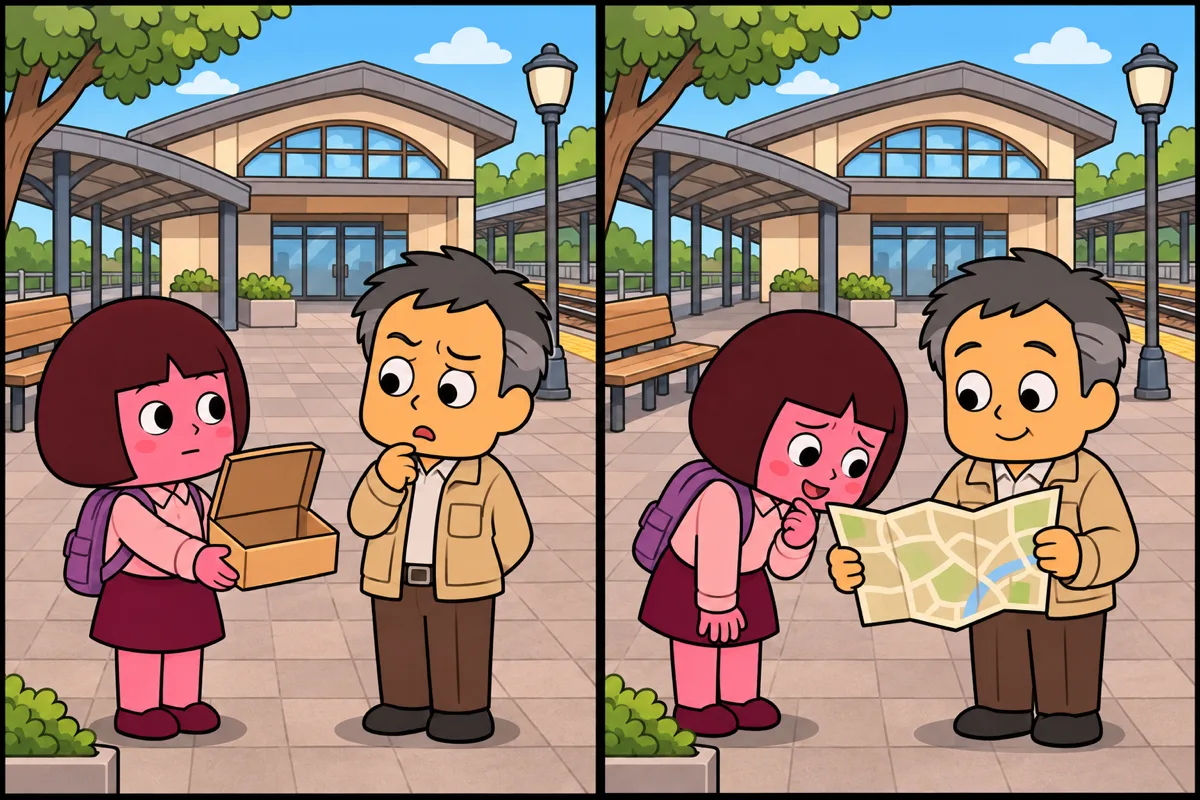
A stranger stops you and asks, 「すみません、駅はどこですか?」 You have no idea. Here are two ways to answer.

知りません。
I don’t know.
Correct Japanese, but it can sound like you are shutting the conversation down.
すみません、ちょっとわかりません。
Sorry, I’m not sure.
This sounds like you would help if you could.
知りません is not wrong. The problem is where you use it. When someone is asking you for help, start with わかりません.
Why 知りません can sound cold.
Start with the core meaning of each verb.
知る
to know
Do you have this information or not? 知りません reports a fact: “That information is not in me.”
わかる
to understand, to be able to tell
Can you work it out or answer right now? わかりません sounds closer to “I can’t give you an answer at the moment.”
So when a stranger asks for the station and you say 知りません, you are stating a fact and stopping there. It can sound like “Not my business.” You did not mean that, but the listener can hear it that way.
わかりません leaves room. It sounds like you thought about it and could not come up with the answer. That is why it feels softer.
When 知りません is the right answer.
When someone asks whether you know a person, a place or a piece of information, 知りません is natural.

A: 田中さんを知っていますか?
B: いいえ、知りません。
A: Do you know Mr. Tanaka? B: No, I don’t.
The question is about whether you have that information, so 知りません answers it directly. Add すみません in front if you want to sound gentler.
The question uses 知っていますか, but the answer is not 知っていません. The natural negative is 知りません, or 知らないです in a more casual polite tone.
The same goes for news you just heard for the first time.
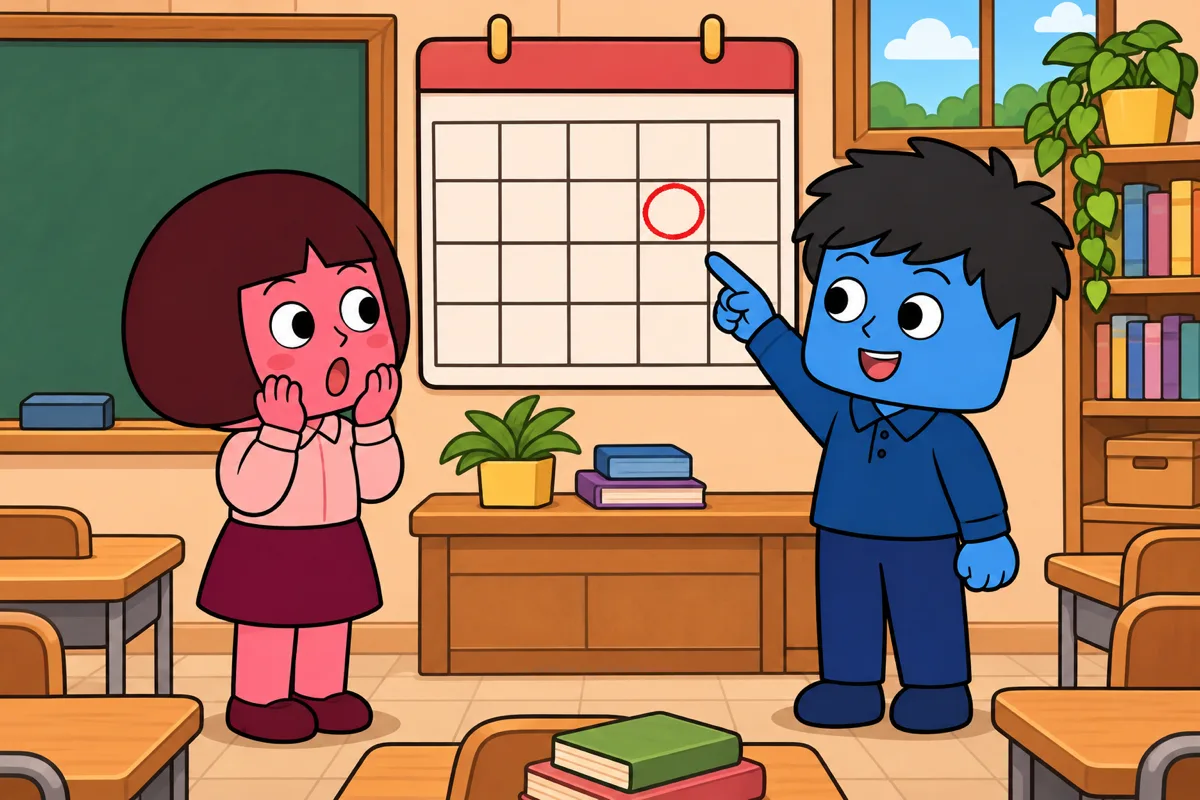
A: 来週、テストがありますよ。
B: えっ、知りませんでした!
A: There’s a test next week. B: What? I didn’t know that!
You did not have that information until now. わかりませんでした would sound strange here.
So the rule is not “always say わかりません.” Ask yourself what the person wants. If they are checking what you know, 知りません is fine. If they are asking you for help, わかりません keeps the conversation warm.
What to say when someone asks you for help.
Back to the stranger asking for the station. These answers all sound kind and natural.
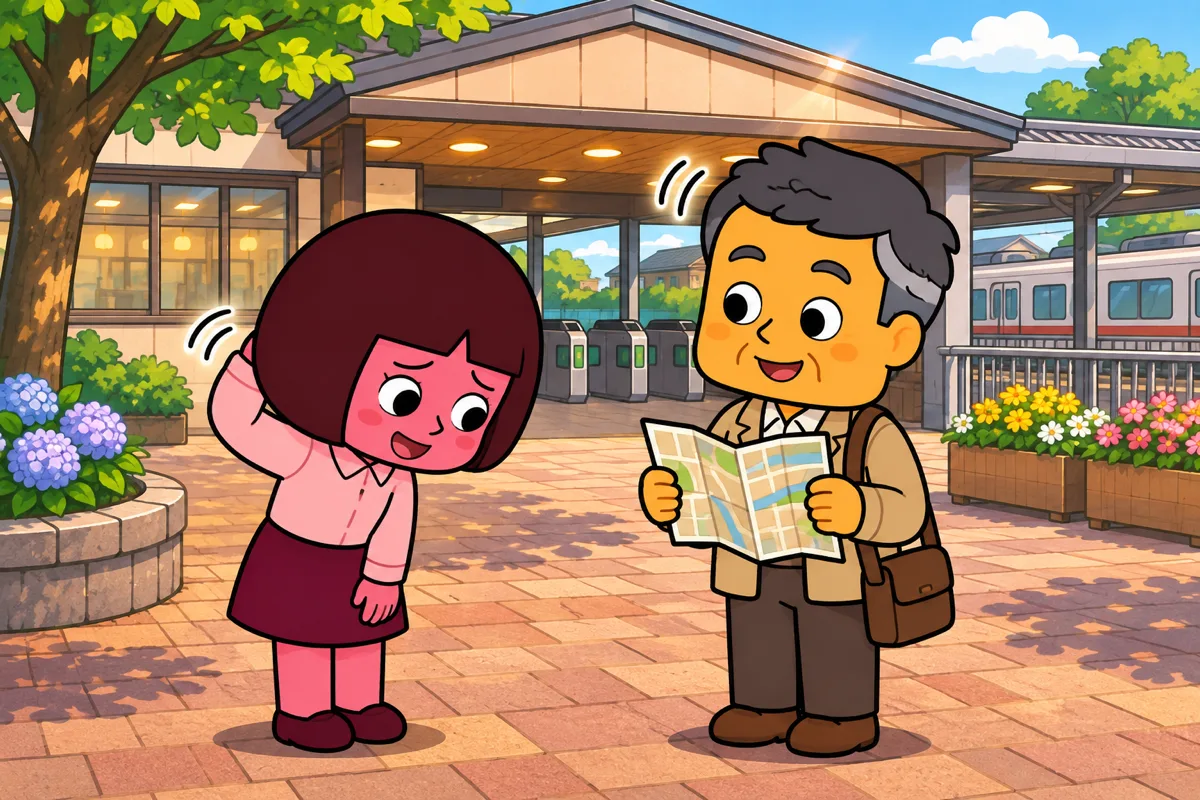
すみません、ちょっとわからないです。
Sorry, I’m not really sure.
ちょっと softens the “no.” わからないです is a little more conversational than わかりません, and both are polite.
すみません、この辺はあまり詳しくなくて…
Sorry, I don’t really know this area.
You give the reason instead of the bare “I don’t know.” Trailing off at the end is natural in Japanese. The listener understands the rest.
Notice that both start with すみません. You are saying, “I’m sorry I can’t help.” That one word changes how the whole answer feels.
Try it yourself.
Choose the answer that fits the situation best.
1. A stranger asks you the way to the station. You don’t know.
「すみません、駅はどこですか?」____。
A. 知りませんB. すみません、ちょっとわかりません
Show answer 1
B. すみません、ちょっとわかりません。 They are asking for help. A is not wrong, but it can sound like you are ending the conversation.
2. A friend asks if you know the new teacher’s name. You have never heard it.
「新しい先生の名前、知っていますか?」「いいえ、____。」
A. 知りませんB. 知っていません
Show answer 2
A. 知りません。 Your friend is checking what you know, so 知りません is natural. B is a form Japanese speakers don’t use.
3. A coworker tells you there is a meeting tomorrow. This is the first you have heard of it.
「明日、会議がありますよ。」「えっ、____!」
A. 知りませんでしたB. わかりませんでした
Show answer 3
A. 知りませんでした! You did not have the information until now. B would sound like you failed to understand something.

Say it out loud.
When a stranger stops you on the street, you have about two seconds to answer. Knowing the rule is not enough in that moment. The words have to come out on their own.

So say 「すみません、ちょっとわかりません」 out loud five times today. Then imagine someone asking you about a person you have never met, and answer 「いいえ、知りません」.
Knowledge isn’t a weapon. Usable knowledge is.
Ready to use more of your Japanese?
Join our Free Masterclass to explore how to build a clear speaking practice routine, with guidance from Hokuto and Haru.
Join the Free MasterclassTHE PEOPLE BEHIND THIS LESSON
Meet Hokuto & Haru

Hokuto
Hokuto has taught 10,000+ hours of one-on-one Japanese lessons. A former paramedic, he began teaching Japanese as a volunteer and founded STRIVE in 2025. His coaching focuses on helping learners use Japanese with confidence in real conversations.

Haru
Haru helps learners develop natural, respectful Japanese for everyday conversations. Working alongside Hokuto, she supports learners with regular feedback and guidance as they put their Japanese into practice.